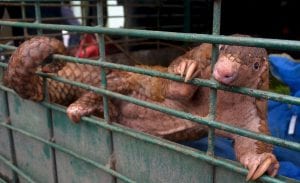
 The COVID-19 (coronavirus) outbreak is believed to have started at a wildlife market in Wuhan, China, in December 2019. It is unclear which species transferred the virus to humans, but scientists largely agree on the point of origin.1 The 2002 outbreak of SARS, another type of coronavirus, began under similar circumstances.2
LISTEN: A 13-minute podcast from Scientific American on “COVID-19: The Wildlife Trade and Human Disease”
Some nations are already taking steps to ban the types of wildlife trade and markets that serve as hotspots for viral transmission from animals to humans. China announced a permanent ban on the wildlife trade in February, but the new law has loopholes that worry some conservationists.3 Vietnam has enacted a similar ban, and other neighboring nations seem poised to follow.4
VIEW: A series of infographics shows how the wildlife trade fits in the Chinese economy
Conservationists and animal rights activists have called for bans on the practice for decades, and now public health experts are joining that fight. “This issue is not just a conservation issue anymore,” said Grace Ge Gabriel of the International Fund for Animal Welfare. “It’s a public health issue, a biosafety issue and a national security issue.”5
In a powerful essay published by The Hill, Cyril Christo writes, “The coronavirus did not manifest from nowhere. Our sadistic treatment and manipulation of animals for centuries has come back to haunt us. It is time for humanity to absorb the lessons of the animal world.”6
READ: Christo’s full essay in The Hill
Combating the wildlife trade will take significant energy and commitment from governments around the world. The livelihood of many people will be impacted as certain practices are outlawed,7 and the demand for the animals will likely remain, creating conditions for a thriving black market. Some of the ongoing animal trade was already illegal, but it persisted nonetheless.8
Discussion Questions
- Do you think that wildlife markets should be banned? Why or why not?
- Given that most of this trade happens in other countries, how high a priority should this issue be for the United States?
- If other countries ask for financial and law enforcement assistance to regulate their wildlife markets, should the United States help? Why or why not?
- The conservationists and animal rights activists who oppose this trade also frequently argue against factory farming and criticize the U.S. beef and poultry markets. Do you think we should outlaw or significantly change farming practices? Why or why not?
Featured Image Credit: Getty Images
[1] CNN: https://www.cnn.com/2020/03/05/asia/china-coronavirus-wildlife-consumption-ban-intl-hnk/index.html
[2] The Conversation: https://theconversation.com/coronavirus-we-still-havent-learned-the-lessons-from-sars-130484
[3] New York Times: https://www.nytimes.com/2020/02/27/science/coronavirus-pangolin-wildlife-ban-china.html
[4] The Guardian: https://www.theguardian.com/environment/2020/mar/18/billion-dollar-wildlife-industry-in-vietnam-under-assault-as-law-drafted-to-halt-trading
[5] New York Times: https://www.nytimes.com/2020/02/19/health/coronavirus-animals-markets.html
[6] The Hill: https://thehill.com/changing-america/opinion/488295-coronavirus-should-be-a-wake-up-call-to-our-treatment-of-the-animal?fbclid=IwAR2F71sKV06KnEFyCShJDwinzGlx1ru67NmPvyYXm_nK-ksI0qXDnMJvdXk
[7] South China Morning Post: https://multimedia.scmp.com/infographics/news/china/article/3064927/wildlife-ban/index.html
[8] The Conversation: http://theconversation.com/coronavirus-has-finally-made-us-recognise-the-illegal-wildlife-trade-is-a-public-health-issue-133673
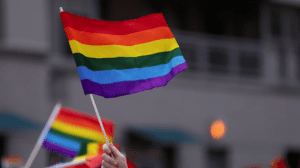 In February, Representative Ro Khanna (D-Calif.) introduced the Gender Inclusive Passport Act (H.R. 5962) in the House of Representatives. The legislation currently has 25 cosponsors, all of them Democrats.1 If the bill becomes law, it would create a third gender designation on U.S. passports—unspecified (X)—to join the existing designations of male (M) and female (F).2
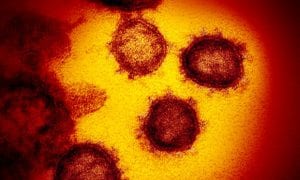 Public health officials first encountered COVID-19, popularly called the coronavirus, in Wuhan, China, in December 2019. Thus far, the virus has infected over 89,000 people, killing more than 3,000.1 In the United States, there have been more than 100 cases in 15 states; at least six people have died, all of them in Washington state.2 The Trump administration, the Centers for Disease Control and Prevention, and the World Health Organization insist that the threat of the coronavirus is still manageable, all the while taking precautions to attempt to contain the outbreak.
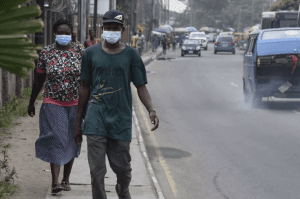 The outbreak has also raised another important equity issue: the ability to take time off work. It is recommended that people who are feeling sick or are worried that they may have been exposed to the coronavirus stay home from work or school and avoid public spaces.7 However, doing so is not always possible for hourly employees in the service industry, such as restaurant and retail workers.8 This has called attention to issues such as paid time off9 and employment security.10
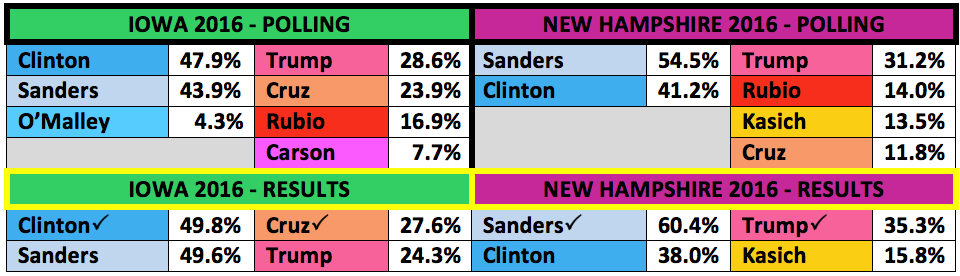
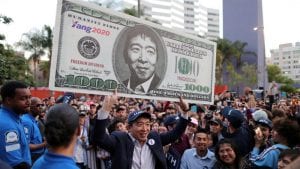 On November 6, 2017, businessman Andrew Yang began a presidential campaign centered on a signature policy, Universal Basic Income (UBI).1 If put in place, this UBI or “Freedom Dividend” would give every adult American $1,000 a month, no questions asked.2 The idea captured some voters’ imaginations; although Yang ultimately suspended his campaign after a poor showing in the Iowa caucuses and the New Hampshire primary, UBI has never been more popular.3
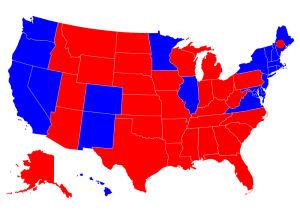 During campaigns and elections, candidates use political labels, such as liberal, moderate, progressive, conservative, and libertarian, to position themselves in relation to each other and as a shorthand for their worldviews and policy preferences. This presidential election cycle features candidates from across a wider political spectrum than most elections in recent years.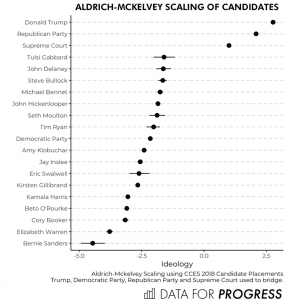
 “There’s a clear difference between politics and a crime,” Michael Levy told the Supreme Court in January,1 when he made arguments in a case about New Jersey’s “Bridgegate” scandal. As the justices considered whether or not a public official commits fraud by obfuscating the “real reason”2 behind a decision, they asked both sides tough questions and did not split along ideological lines.3 The Court’s decision could narrow or expand corruption prosecutions against politicians. So we explore the questions, do politicians lie? And is it a crime?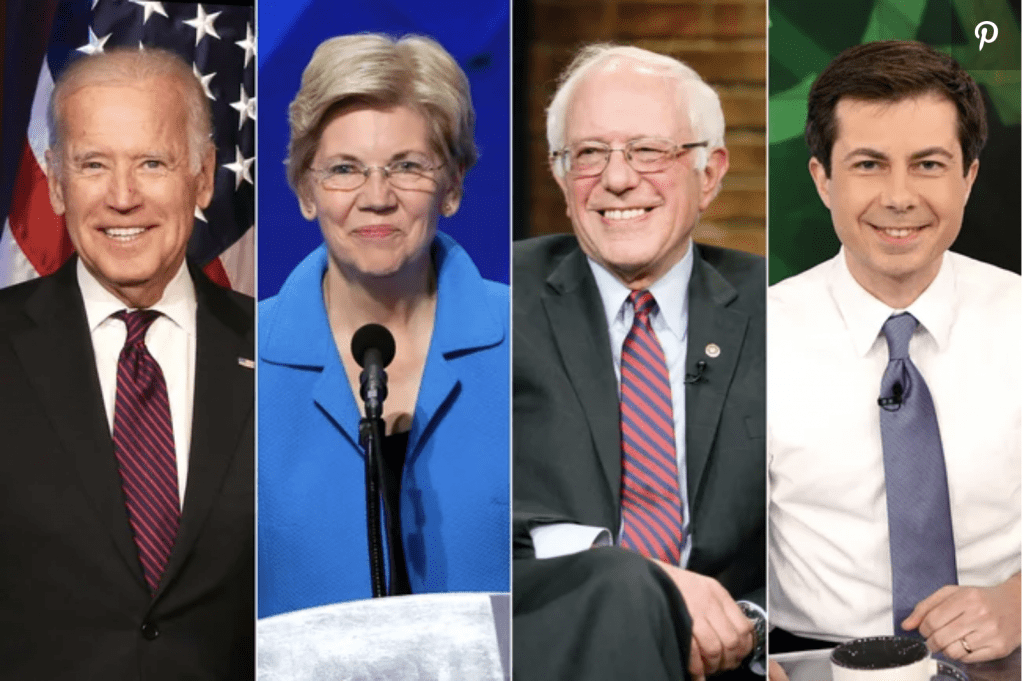

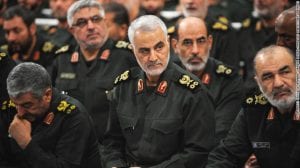 On January 2, 2020, it was announced that an air strike ordered by President Donald Trump had successfully targeted and killed Qasem Soleimani, chief of the Quds Force, at Baghdad International Airport. The Quds Force is regarded as the elite unit of Iran’s military; it handles overseas operations and is classified as a foreign terrorist organization by the United States. Soleimani and his troops have been responsible for the deaths of hundreds of American and coalition service members, as well as the wounding of thousands more.1
 On November 15, 2019, the Texas Court of Criminal Appeals suspended the execution of Rodney Reed and sent his case back to trial, due to new witness testimony that pointed to his innocence and raised concerns about how evidence was handled during the initial trial.
 On October 30, Twitter CEO Jack Dorsey announced that, effective November 22, Twitter would ban all political advertising on its platform. Dorsey justified the decision by explaining that political ads present “entirely new challenges to civic discourse.”1 Twitter’s sweeping decision was not an arbitrary one; it was the result of a new wave of scrutiny and criticism over the way social media companies manage political advertising, especially when the ads in question are false or misleading.