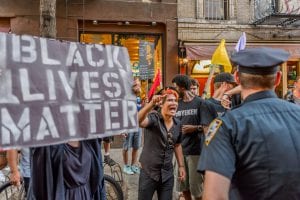
Over the past week, we have witnessed an outpouring of grief and rage that reminds us—again—that democracy is always in the making and that we have a responsibility both to reflect and to act. As civic educators, we naturally turn our attention to what we can do, and what we can teach, that might further advance dialogues about freedom, equality, and justice. We hope that through our resources and the resources of others, and through discussions with teachers, we can help you have rich, meaningful dialogue with students about these complex issues.
To that end, this week we will offer three blog posts to help you grapple with the fundamental questions and challenges posed by recent events. The first, this post, provides resources and ideas for discussing race and racism with students. Wednesday’s post will explore the protests and the government responses to those protests.
Hopefully, the resources we share here help you and your students, but we also want to hear from you. What resources, lessons, questions, and ideas do you turn to when trying to help students better understand the important issues raised by the protesting?
Resources
To discuss race and racism:
- The National Museum of African American History and Culture has created a resource called Talking About Race. The conversation guides and reflection questions help individuals think about and discuss race.
- Teaching Tolerance offers Strategies for Reducing Racial and Ethnic Prejudice. These strategies help teachers think about the goals of discussions about race and prejudice, as well as reflect on their own positions and experiences.
- Black Lives Matter at School has created and curated a wide range of resources to help teachers and students investigate issues relating to race and racism in America today.
- In a short article published in ASCD, Dena Simmons explains How to be an Anti-Racist Educator.
To discuss race and racism in U.S. history:
- Teen Vogue’s OG History series is intended to “unearth history not told through a white” lens.
- Facing History and Ourselves has created many resources for discussing race and racism in the present day and in history. A very useful resource for this moment is Violence and Backlash during the Reconstruction Era.
- The Zinn Education Project aims to bring ideas from Howard Zinn’s A People’s History of the United States into classrooms. It offers many resources that explore race, prejudice, and social protest in U.S. history. A few resources that might be useful right now are:
- Burning Tulsa: The Legacy of Black Dispossession
- COINTELPRO: Teaching the FBI’s War on the Black Freedom Movement
- How Red Lines Built White Wealth: A Lesson on Housing Segregation in the 20th Century
- The University of Minnesota’s Mapping Prejudice project offers resources to help you visualize the histories of race and privilege in urban spaces.
Featured Image Credit: Erik McGregor/Pacific Press/LightRocket
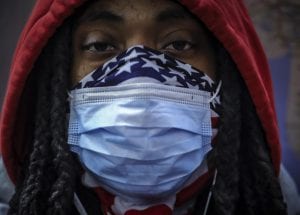
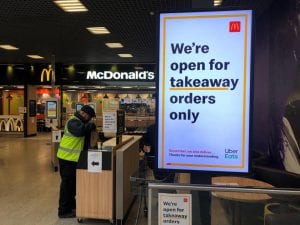 In order to combat the spread of COVID-19, people are making many changes in their habits and routines. Two central recommendations of public health officials are that people remain socially distant1 by staying six or more feet from people and avoiding non-essential trips outside the home, and that people wear masks when in public.2 This has raised questions about the government’s authority to impose social distancing and mask restrictions, as well as the rights and responsibilities of business owners to protect their employees and customers.
 Last week, the Supreme Court heard arguments in two cases involving President Donald Trump’s tax returns and financial records, Trump v. Mazars and Trump v. Deutsche Bank. During the 2016 election, then-candidate Trump broke with tradition and refused to release many of his financial records and tax returns. The president is suing his accountants and banks to prevent them from releasing his personal financial information to Congress. President Trump claims that executive privilege protects him from releasing any of this information to Congress; attorneys for the House of Representatives argue that executive privilege does not apply here.1 So, what is executive privilege and why is it in dispute?
 The ongoing COVID-19 pandemic is stressing our healthcare system, our economy, and parents trying to teach their children at home. It is also highlighting significant COVID-19 racial disparities in access to quality health care.
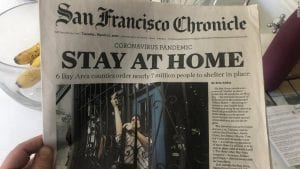 As the COVID-19 2020 news headlines continue to dominate, the American public is facing an onslaught of information about the pandemic. Social and traditional media are covering developments, spreading opinions, and broadcasting statistics about COVID-19. There has been a strong association between coronavirus media coverage and an increase in public attention on the virus itself and in web searches for such terms as “N95” face masks.1 The role of media in the COVID-19 pandemic is significant in shaping public behavior, so as we head into the next phase of the pandemic, journalists and the general public are being forced to consider what role the media should assume moving forward.
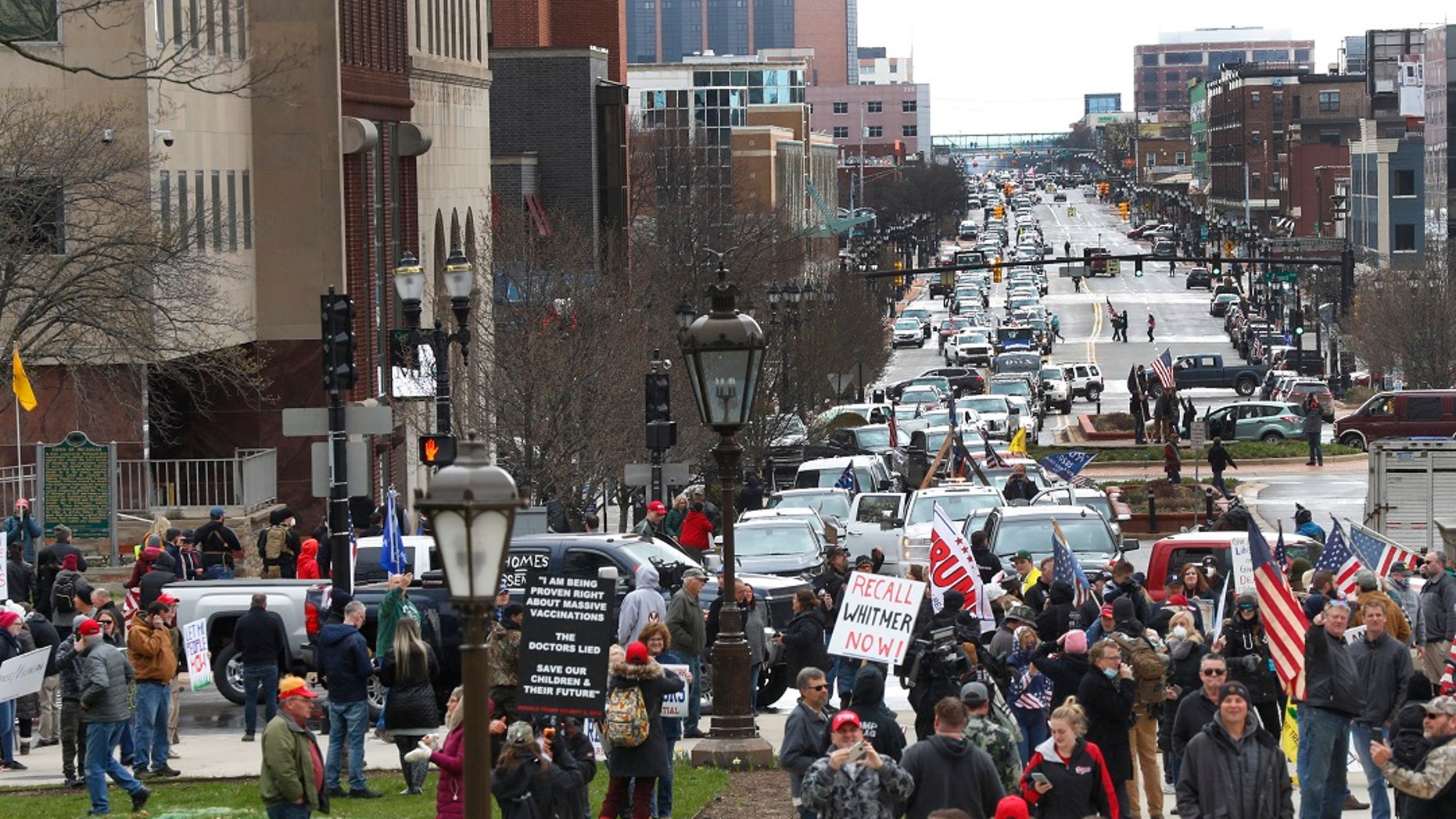
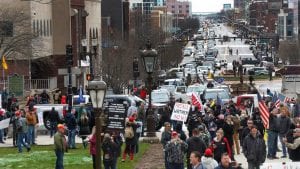 s COVID-19 has spread across the country and the globe, most U.S. states have taken to issuing shelter-in-place orders to help “flatten the curve.” As of April 20, 42 states, the District of Columbia, and Puerto Rico had asked residents to stay at home. However, over the past two weeks, there has been an increase in protests against these orders, with some governors considering reopening their states for the sake of the economy.1
 Inequality has been a central issue of the 2020 presidential campaign, with many of the candidates including economic and income equity as major elements of their message.1 The COVID-19 outbreak has also placed economic inequality in the spotlight. While many professionals and white-collar workers are able to work from home, employees in the service industry are either continuing to work or going without pay.2
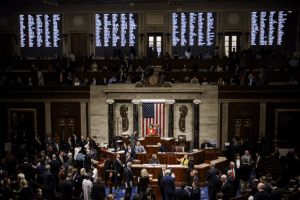 Due to the ongoing COVID-19 pandemic, 42 states—along with Puerto Rico and Washington, D.C.—have issued stay-at-home orders, effectively barring at least 316 million Americans from going out unless absolutely necessary.1 While essential businesses and services remain open, many workers now find themselves working from home. Considering the circumstances, should Congress also be allowed to vote remotely?
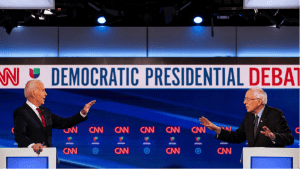 With COVID-19 dominating both the headlines and the realities of everyday life in the United States, it can be hard to remember that we are in the midst of a presidential primary with a general election only seven months away.
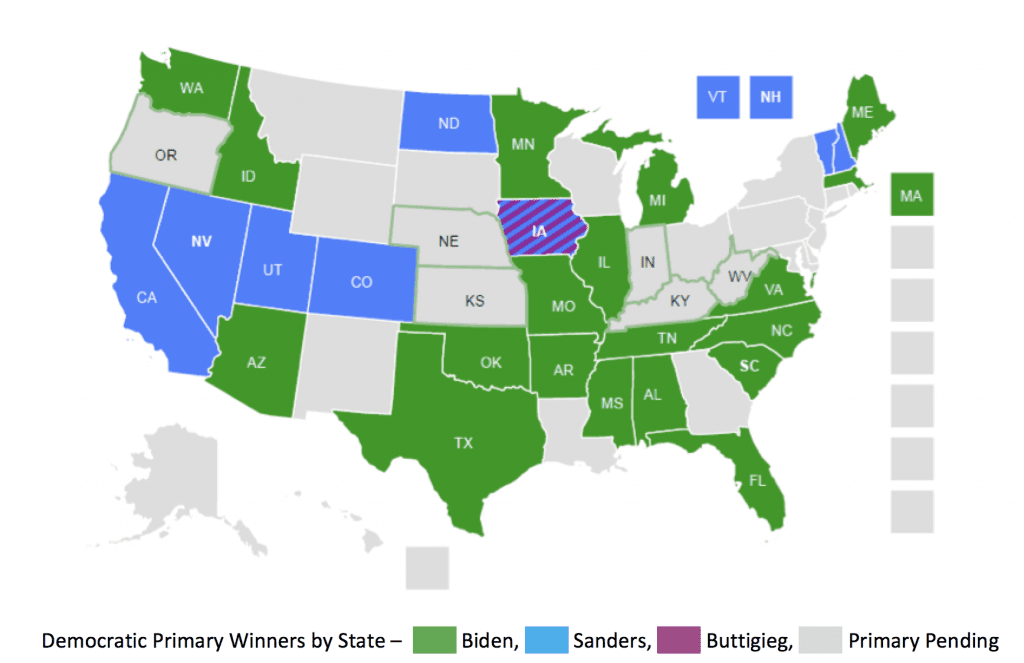 Primary Postponements
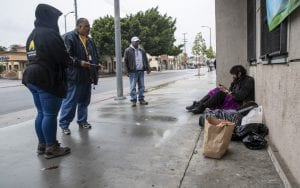 The novel coronavirus, COVID-19, is affecting every American and people all over the world, but it does not affect everyone equally. The more than 500,000 Americans who are homeless are especially vulnerable—due to age, lack of access to health care, underlying medical conditions, and lack of access to information and news—and also pose a risk in terms of continuing to spread the virus.1







:format(webp):no_upscale()/cdn.vox-cdn.com/uploads/chorus_asset/file/19335094/GettyImages_1184645619.jpg)