 Last week, Facebook whistleblower Frances Haugen, a former project manager for their Civic Integrity team, testified before Congress and criticized the social media company as a dangerous, unchecked force that was “buying its profits with our safety.”1 Haugen faulted the senior leadership at Facebook for identifying safety risks yet refusing to make the necessary changes to address them. “I’m here today because I believe Facebook’s products harm children, stoke division, and weaken our democracy,” she told the committee, before providing a detailed account of the inner workings of the company.2
Frances Haugen’s whistleblowing testimony drew on her two years at Facebook, her experience as a data engineer, and thousands of pages of internal documents. She cited Facebook’s algorithm—the programming that chooses which content appears in a user’s news feed—as its biggest offense. The 2018 Facebook algorithm change prioritizes content that would be most likely to get reactions and engagements such as views, clicks, likes, and comments.3 This effectively made the news feed promote posts that are hateful, divisive, and polarizing while amplifying their messages and expanding their reach.4 This has created endless cycles where users get sucked into deeper rabbit holes the more they scroll, a process which Haugen says is driven by profit. “Facebook has realized that if they change the algorithm to be safer, people will spend less time on the site, they’ll click on less ads, [and Facebook will] make less money.”5
One key revelation relates to the negative effects of Facebook and its family of apps they have on the physical and mental health of young people. One internal study found that nearly 14 percent of teen girls on Instagram said their suicidal thoughts became “more frequent,” while 17 percent said their eating disorders became worse because of the Facebook-owned app.6 Thirty-two percent said that Instagram gave them a negative body image.7 Despite knowing the potential for harm, Facebook kept the studies hidden and allowed its algorithms to continue pushing damaging content.
Facebook controversy is not new. . Recently, the social media giant has been widely criticized for its data collection policies and for allowing misinformation related to COVID-19, vaccines, and elections to proliferate on its site. Facebook was also used to help organize an insurrection at the Capitol, incite genocide in Myanmar, and distribute Russian disinformation during the 2016 election.8
Although Democrats and Republicans are divided on many national issues, they are largely united in their belief that something should be done to rein in Facebook. There is agreement that there needs to be more transparency, accountability, reform, and congressional oversight to bring about change. “If you closed your eyes, you wouldn’t know if it was a Republican or a Democrat,” said Senator Richard Blumenthal, D-Conn., after the hearing. “Every part of the country has the harms that are inflicted by Facebook and Instagram.”
Discussion Questions
- What are your experiences with Facebook, WhatsApp, Instagram, and other social media apps? Have they been mostly positive? Mostly negative? How frequently do you use them and for what purposes?
- The day before Haugen’s testimony, Facebook and its apps, including Messenger, Instagram, and WhatsApp, were offline for nearly five hours. How did this blackout affect you?
- Have you seen content that could be considered hateful, misleading, or polarizing on your social media feed?
- Why might someone want the federal government to regulate Facebook’s use of algorithms?
- Why might someone not want federal government regulation of Facebook’s use of algorithms?
- What do you think should be done regarding this issue?
As always, we encourage you to discuss whether or not Facebook should be regulated with your comments or questions below!
Sources
Featured Image Credit: Elizabeth Renstrom for TIME
[1] Time: https://time.com/6104157/facebook-testimony-teens-algorithm/
[2] New York Times: https://www.nytimes.com/2021/10/05/technology/facebook-whistle-blower-hearing.html
[3] 60 Minutes: https://www.youtube.com/watch?v=_Lx5VmAdZSI
[4] Ibid.
[5] Ibid.
[6] NPR: https://www.npr.org/2021/10/05/1043377310/facebook-whistleblower-frances-haugen-congress
[7] Ibid.
[8] New York Times: https://www.nytimes.com/2018/10/15/technology/myanmar-facebook-genocide.html
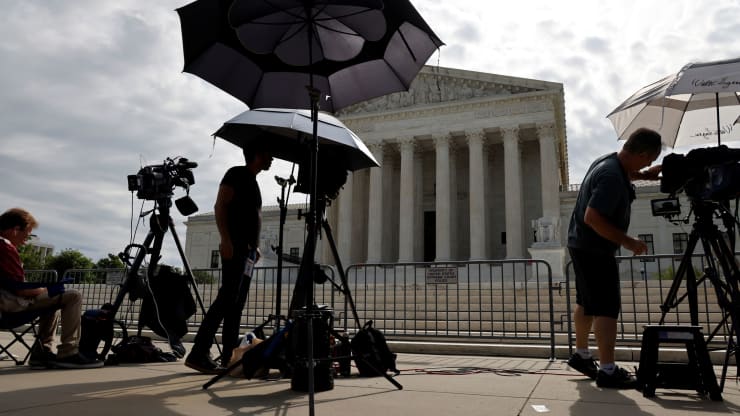 The Supreme Court begins its new term on the first Monday in October, a tradition that dates back to 1917.1 This year, that meant yesterday, Monday, October 4. In the term ahead, the Court is set to take up many key constitutional and legal issues. For the Supreme Court term preview, Close Up is offering a
  In a 5-4 decision, the Supreme Court declined to review a new Texas law (S.B. 8) restricting abortion access in the state after six weeks of pregnancy. Under the provisions of the law, women in Texas are legally prohibited from receiving an abortion, doctors are prohibited from performing an abortion, and third parties (such as friends, family, and volunteers) are prohibited from assisting anyone who intends to have or has had an abortion after six weeks of pregnancy.1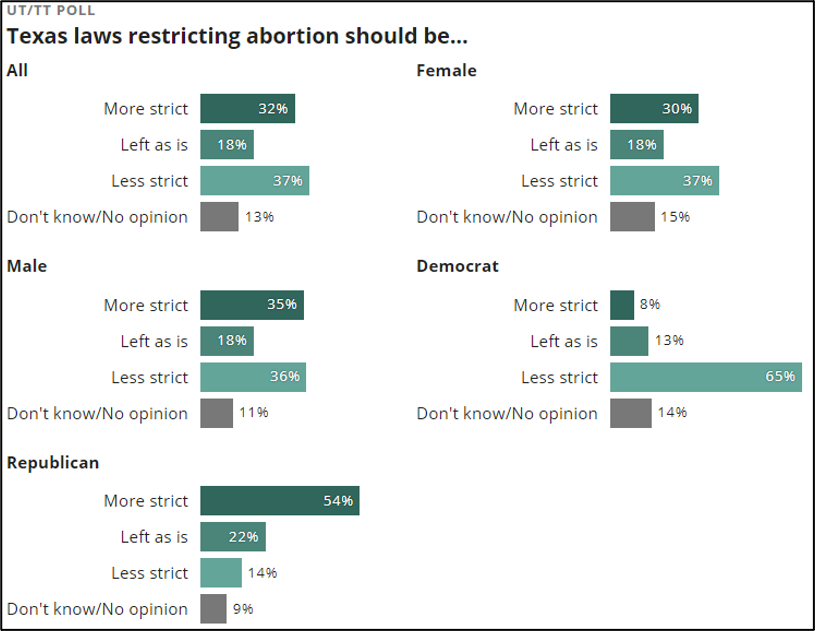
 One of the most important things that schools can do to promote civic and political engagement is to explicitly teach about elections and voting.1 While this can include teaching about current elections and ballot initiatives or processes such as voter registration, education on voting should also include lessons on the struggle for voting rights by different groups throughout history. One such struggle, the struggle to lower the voting age to 18, culminated in a Constitutional amendment in 1971. This year marks the 50th anniversary of the 26th Amendment.2
 Last Thursday, President Biden issued an executive order requiring that all federal employees and employees of federal contractors are required to be vaccinated against the COVID-19 virus. Additionally, employees working for a company with more than 100 workers must be vaccinated or submit to weekly testing. Finally, those working for businesses that receive Medicare or Medicaid funds must be vaccinated.1 In total this mandate is expected to affect more than 100 million people.2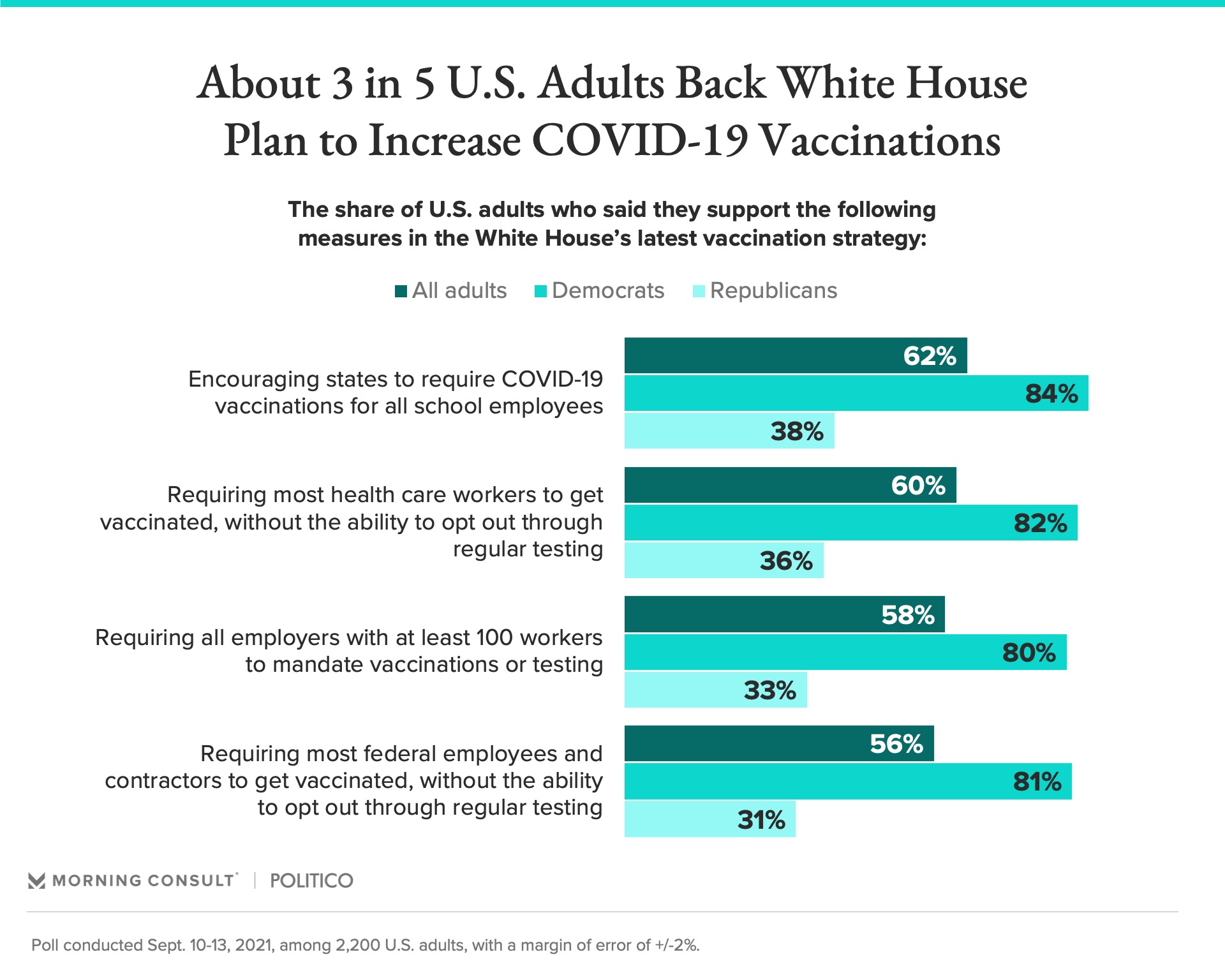
 After 20 years of U.S. troops maintaining a presence in Afghanistan, the United States began the process of ending its longest war by removing military forces from the region. Ever since he was vice president, President Joe Biden has been a strong advocate for reducing the scope of the military mission in Afghanistan in order to focus more on global counterterrorism efforts.1 In April 2021, he announced that he would fulfill his campaign promise to end what he calls the “forever war,” which began as a result of the terrorist attacks on September 11, 2001.2
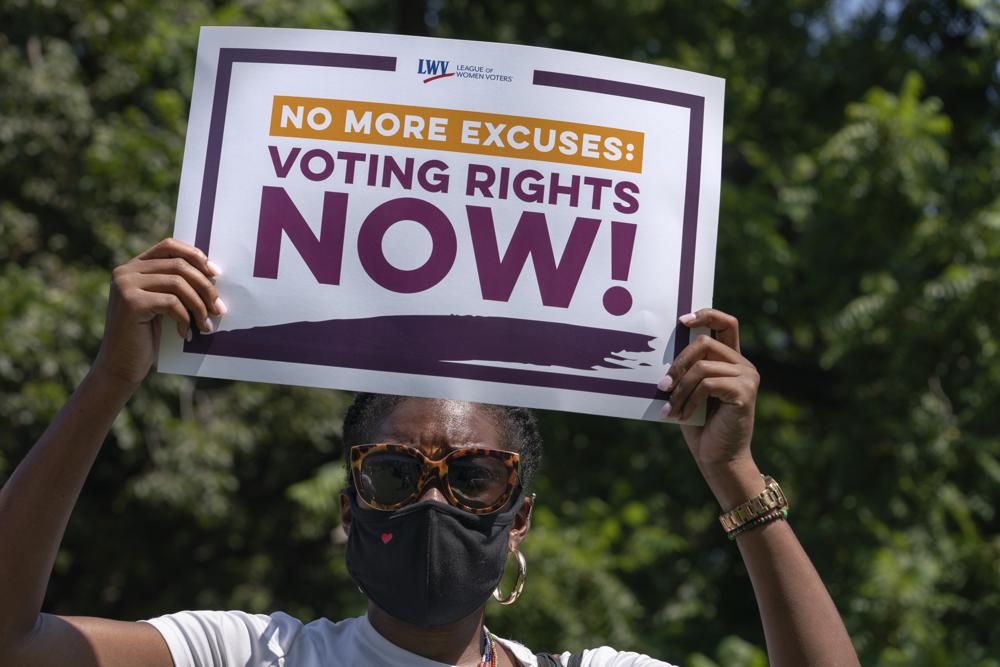 On Tuesday, August 24, the House of Representatives passed the John Lewis Voting Rights Advancement Act by a vote of 219-212.1 The bill is an attempt to reestablish some voting protections that the Supreme Court struck down as outdated and unconstitutional in its 2013 ruling in Shelby County v. Holder.2 The bill faces a steep climb in the Senate, where it may not receive a vote.3 The bill is named for John Lewis, the Georgia congressman, civil rights leader, and former chairperson of the Student Nonviolent Coordinating Committee who passed away in 2020.4
 On August 24, the House of Representatives passed a $3.5 trillion spending bill, committed to passing an infrastructure bill, and moved forward with significant voting rights legislation.1 It was an important step in enacting such a large spending plan, but it was not the final step. Republicans and a number of conservative and moderate Democrats oppose some measures in the $3.5 trillion spending bill; thus, the final version of the legislation has not yet taken shape.2
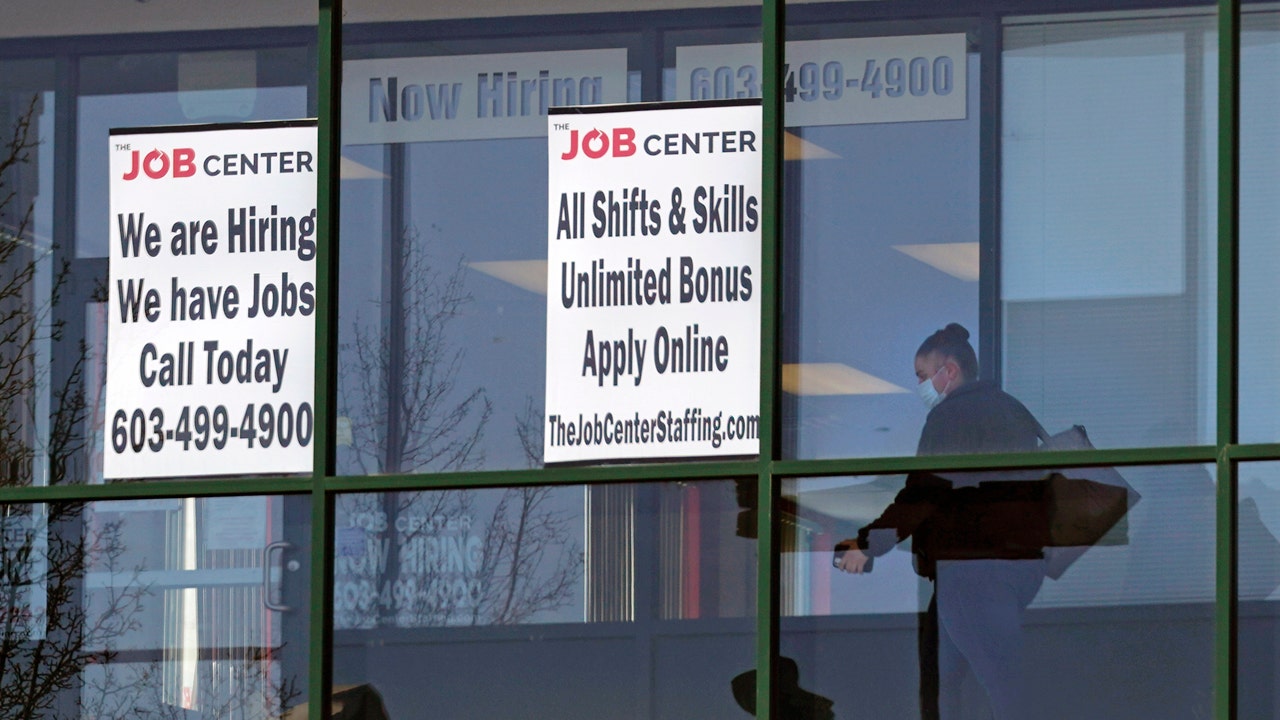 After April’s jobs report fell short of predictions and unemployment ticked up for the first time in the last year, some politicians and policymakers, particularly conservatives, called for an end to the generous unemployment insurance (UI) benefits that have been place since the beginning of the COVID-19 pandemic.1
 A ceasefire has brought an end to weeks of increasing violence between Israel and the Palestinian communities in the territory it controls, particularly the Palestinian Islamic-nationalist group Hamas. This latest outbreak of conflict ended a period of relative calm that had persisted for the better part of a decade. Adding to the complexity of the Israeli-Palestinian conflict is the role of the United States and emerging disagreements over what the nature of that role should be.







:format(webp):no_upscale()/cdn.vox-cdn.com/uploads/chorus_asset/file/22817592/GettyImages_1233172250.jpg)
/cloudfront-us-east-2.images.arcpublishing.com/reuters/DUIFTWGSSJKKPK6L6LPHKBKA34.jpg)

