Young Americans want to feel listened to by an authentic and genuine political candidate, according to a new survey from American University’s Sine Institute of Policy & Politics, providing insight into the key voting demographic weeks out from the presidential election.
The results were unveiled at the Sept. 17 event “What’s America Thinking: Young Voters of Today, Political Leaders of Tomorrow,” hosted by The Hill and the Sine Institute, which included a discussion with lawmakers, researchers and human rights and voter organizations.
 Amid an unusually hectic summer for national politics, a group of teenage voters met in Washington, DC, over a July weekend to discuss politics. As part of their
  Ten students from Elberta Middle School experienced a transformative journey this July when they participated in the inaugural American Enterprise Summit in Washington, D.C. The four-day program, funded by the Horatio Alger Association in partnership with the Close Up Foundation, aimed to educate young people about democracy and the free-enterprise system, particularly in light of the upcoming 2024 election and concerning findings from an ACTA survey on civic literacy among college students.
 Stanford, Calif. – August 13, 2024 –
 American teens are generally against the idea of regulations that would place restrictions on their use of social media platforms, despite knowing the potential harms to mental and physical health, according to a poll of 430 first-time voters.
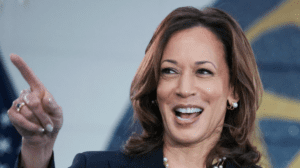 A flood of new data on young voters has just come out and it shows their enthusiastic reaction to Vice President Kamala Harris taking over as the Democratic nominee for president.
 Two-thirds of respondents to a poll of first-time young American voters agreed the U.S. must plan to reach net zero greenhouse gas emissions by 2050, and about four in five supported “new generation” nuclear energy to supplement renewable power sources.
 WASHINGTON — In the heat of the 2024 campaign season, more than 400 first-time voters from across the country gathered here in July to discuss political issues and the upcoming election — but with a focus on being polite rather than being polarized.